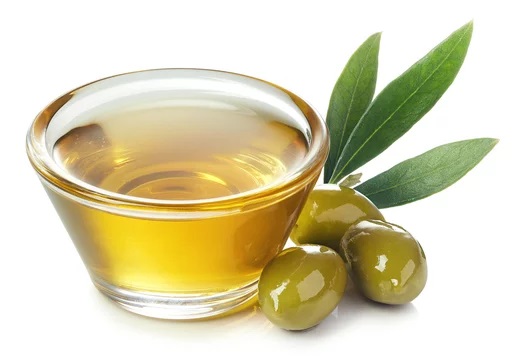
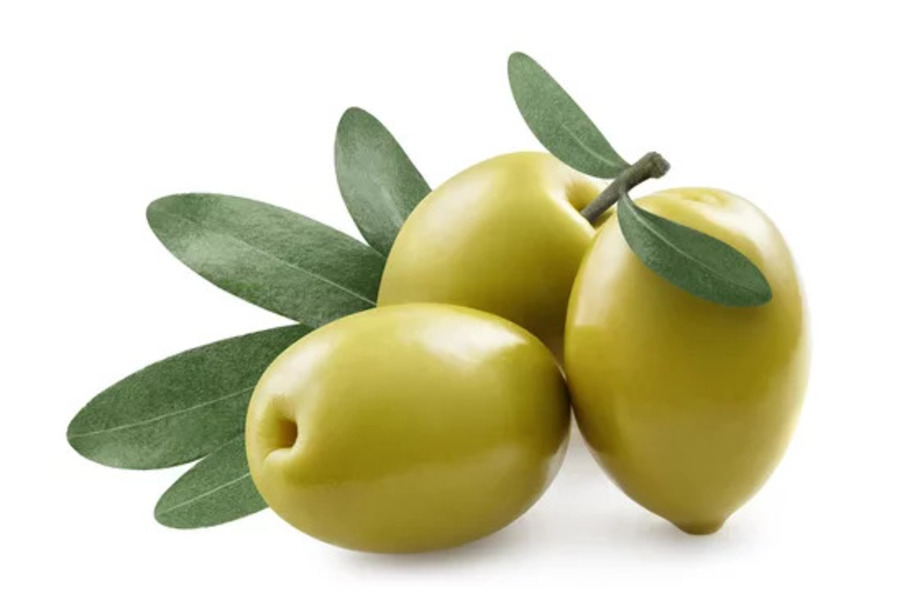
Cyprus is considered to be an important center of olive farming and the marketplace. It is reported that olive has been produced in Cyprus since the Bronze Age, and olive presence is witnessed by centuries-old trees (even groves established presumably during the Lusignans). Now there are more than 2.5 million olive trees in Cyprus, from which about 80% are cultivars, a fact that allows Cyprus to enter the first “twenty” countries, concerning the number of olive trees. The total harvested on the island is about 10 thousand tons of olives per year.
These monumental olive trees together with carob trees have very important eco-touristic value for the island. Although recent development in tourism and second home construction for local and foreign residents caused tremendously damage to the most beautiful olive groves in Kyrenia, olive production is still very popular in Cyprus. While the most common Cultivar is ‘Local variety’, grown both for oil and table, the Turkish cultivar is ‘Gemlik’. Besides propagation by cutting, grafting on wild olives is also utilized for olive propagation.
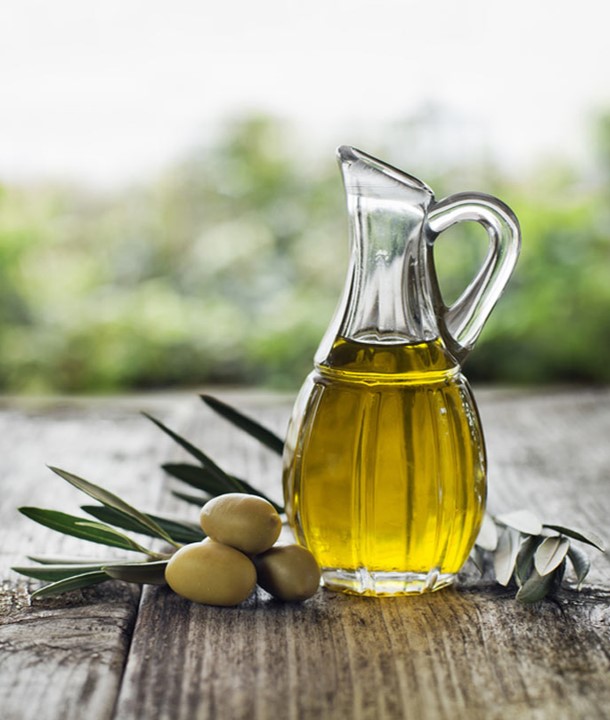

The above conditions, together with increasing demand in the domestic market for olive products, recently determined a shift from citrus production, the most important and common fruit crop grown on the island, after the olive. ‘Local variety’ grafted on a wild olive stock is often preferred due to its tolerance to drought stress, and salinization of groundwater for plant production.
Rising Sunflower oil prices present opportunities for the Olive oil market. With the steady rise of olive oil prices in the European Union, the latest data from the bloc’s short-term agricultural outlook report indicate that consumption also continues to rise, pushing the olive oil price to $3.50 (USD). According to the report, the 2021/22 crop year is set to finish with an 11-percent increase in olive oil consumption in the bloc’s main producing countries. In the other E.U. member states, consumption is expected to remain at the same levels as in previous years.
The commission cited growing demand from households and the recovery of the food service sector as the main drivers of increasing olive oil sales. Rising consumption in the European Union comes on the heels of a strong 2021 harvest, with the bloc’s main producers combining to yield 2.3 million tons, an 11-percent increase compared with the previous year. The European Commission attributed the production increase to a 7 percent increase in olives harvested and a 6 percent increase in oil yields from the olives. Here are some things that set the best olive oil apart from the rest:
Spain is the world’s largest olive oil-producing country by a wide margin, Spain produces 5,276,899 metric tons of olive annually. Production of olive in Spain is mainly concentrated around the Andalucian region where about 75% of the total olive production in Spain is obtained. Italy is the second-largest olive oil producer. Most of the olive oil in Italy comes from the southern regions, such as Sicily, Basilicata, and Sardinia. Greece, Turkey, Tunisia, Portugal, and Egypt were recorded among the top producers. Meanwhile, Portuguese growers and producers reaped 59 percent more olives in 2021/22 and a 21 percent increase in oil yields. The result was a record-breaking harvest of 230,000 tons of olive oil.
 English
 Germany
 Turkey
 Português